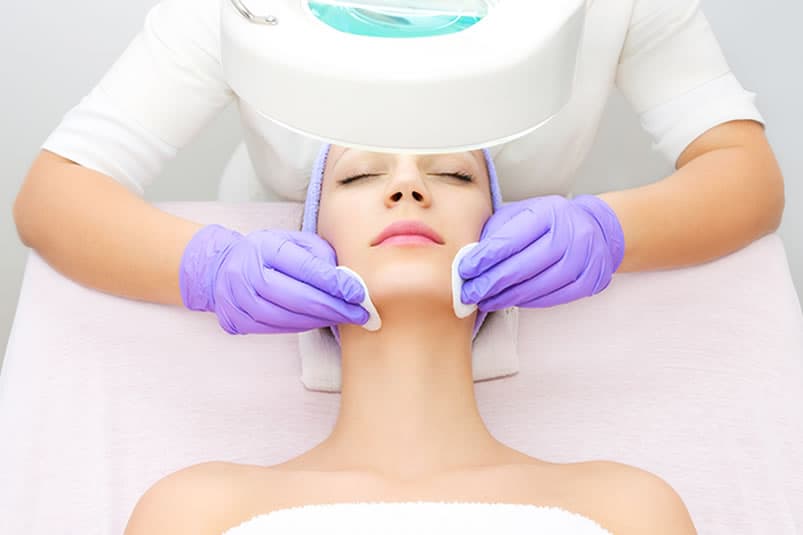
Botox & Dysport in Cincinnati
Botox and Dysport are injectable treatments that temporarily relax facial muscles to smooth existing wrinkles and prevent new lines from forming.
At a Glance
Treatment Time
15-30 min
Results Duration
3-4 months
Board-Certified
ABPS Surgeon
Starting Cost
$300+
What are Botox & Dysport?
Botox and Dysport are injectable neuromodulators that temporarily relax the muscles responsible for dynamic wrinkles, the lines that form from repeated facial expressions like frowning, squinting, and raising your eyebrows. These FDA-approved treatments contain purified botulinum toxin type A, which works by blocking nerve signals to targeted muscles, allowing the skin above to smooth and relax. The result is a refreshed, more youthful appearance that still looks natural. Botox was the first neuromodulator approved for cosmetic use and remains the most recognized name in the industry. Dysport works similarly but has a slightly different formulation that may spread to a broader area, making it ideal for larger treatment zones like the forehead. Botox is FDA-approved to treat glabellar lines (frown lines between the brows), horizontal forehead lines, and crow's feet around the eyes. Dysport is FDA-approved for moderate-to-severe glabellar (frown) lines and is also commonly used off-label in other areas. Beyond cosmetic use, these neuromodulators can also treat excessive sweating (hyperhidrosis), migraines, and jaw clenching/TMJ. Dr. Kurtzman is a national trainer for injectable treatments, meaning he teaches other physicians proper technique. His extensive experience ensures natural-looking results that soften lines while preserving your ability to express emotions. Treatments take just 15-30 minutes with no downtime, making them perfect for busy schedules.
Treatment Options
Each treatment is planned around the lines you want to soften and how your muscles move:
Standard Cosmetic Treatment
Targeted treatment of the three main cosmetic areas: frown lines (glabella), horizontal forehead lines, and crow's feet. This combination addresses the most common signs of aging in the upper face.
Best for: Patients seeking full upper face rejuvenation with natural-looking results.
Preventive/Prejuvenation
Lower-dose treatments started in the late 20s or 30s before deep wrinkles have formed. Prevents dynamic lines from becoming permanently etched into the skin.
Best for: Younger patients who want to prevent wrinkles rather than treat existing deep lines.
Brow Lift Effect
Strategic placement to create a subtle lift to the outer brow, opening the eye area and creating a more refreshed, lifted appearance without surgery.
Best for: Patients with early brow drooping or who want a more open, lifted look around the eyes.
Medical Applications
Treatment for hyperhidrosis (excessive sweating), chronic migraines, TMJ/jaw clenching (masseter reduction), or platysmal bands in the neck.
Best for: Patients with functional concerns beyond cosmetic wrinkle reduction.
Areas Botox and Dysport Treat
Botox and Dysport work on lines caused by muscle movement. These are the areas we treat most often:
- Frown lines: the vertical "11" lines between the eyebrows
- Forehead lines: the horizontal lines that form when you raise your brows
- Crow's feet: the lines that fan out from the outer corners of the eyes when you smile or squint
- Outer brow: small doses can lift the tail of the brow slightly for a more open look around the eyes
- Neck bands: vertical cords in the neck that show when the neck muscles tighten
- Jaw muscles (masseters): for jaw clenching or a wide, square jaw
- Gummy smile: a small dose relaxes the muscle that raises the upper lip
- Underarm sweating (hyperhidrosis)
Some of these uses are FDA-approved and others are off-label. We will explain which applies to your treatment.
What Botox Does Not Treat
Botox relaxes muscles. It does not add volume, lift sagging skin, or remove extra skin. Deep lines that show when your face is completely at rest may soften over several treatments, but they often need another approach as well:
- Lost volume in the cheeks, lips, or under the eyes, and deep folds around the mouth, are usually treated with dermal fillers.
- Brows that have dropped low on the brow bone are corrected with a brow lift.
- Hooded upper eyelids and under-eye bags come from extra skin and fat, which eyelid surgery removes or repositions.
- Loose skin and jowls along the jaw and neck are addressed with a facelift.
- Fine texture lines and sun damage often respond to laser resurfacing.
Many patients combine Botox with one of these treatments. We will go over the options at your consultation.
Ideal Candidates
Botox and Dysport offer excellent results for a wide range of patients. During consultation, we assess your facial anatomy, muscle movement patterns, and aesthetic goals:
- Have moderate to severe dynamic wrinkles (frown lines, forehead lines, crow's feet) that bother you
- Want to prevent existing wrinkles from becoming deeper and more permanent over time
- Are interested in "prejuvenation", starting treatments in your 20s or 30s to prevent wrinkles from forming
- Prefer non-surgical facial rejuvenation with no downtime and immediate return to activities
- Want to soften a "tired" or "angry" resting expression caused by overactive muscles
- Experience excessive sweating (hyperhidrosis) in the underarms, palms, or other areas
- Suffer from tension headaches or TMJ/jaw clenching that may benefit from muscle relaxation
- Are in good general health without neuromuscular disorders (myasthenia gravis, Lambert-Eaton syndrome)
The Procedure
Treatment is quick, comfortable, and requires no preparation. Dr. Kurtzman's expertise as a national trainer ensures precise, natural-looking results:
1. Facial Analysis
Your face is carefully analyzed at rest and while making expressions. This identifies which muscles are creating the wrinkles you want to address and helps determine optimal injection points for natural results.
2. Treatment Planning
Based on your anatomy and goals, a specific treatment plan is created. The number of units needed varies by area and individual muscle strength. We explain exactly what to expect from your treatment.
3. Preparation
The treatment areas are cleaned. Most patients don't need numbing, but ice or topical anesthetic can be applied for comfort. The needles used are extremely fine, most describe injections as feeling like tiny pinches.
4. Precise Injection
Using his nationally-recognized technique, Dr. Kurtzman injects small, precise amounts of product into the targeted muscles. Strategic placement ensures wrinkles are smoothed while natural expressions are preserved.
5. Muscle Movement Assessment
You may be asked to make facial expressions to confirm proper placement. Minor adjustments can be made if needed. The entire treatment takes just 15-30 minutes.
6. Aftercare Instructions
Simple aftercare instructions are provided: avoid rubbing the area, stay upright for 4 hours, and avoid strenuous exercise for 24 hours. You can return to normal activities, including work, immediately.
Recovery & Results
There is essentially no downtime with Botox or Dysport. Most patients return to work and normal activities immediately after treatment. You may notice small bumps at injection sites that resolve within 30-60 minutes, and minor redness or pinpoint bruising that typically fades within hours to a day. Avoid rubbing or massaging the treated areas for 24 hours to prevent the product from spreading to unintended muscles. Stay upright (avoid lying down) for 4 hours after treatment. Avoid strenuous exercise, alcohol, and blood-thinning medications for 24 hours to minimize bruising risk.
Results typically begin to appear within 2-5 days for Dysport and 3-7 days for Botox, with full effect at 2 weeks. The muscles gradually relax, smoothing the overlying skin. Results typically last 3-4 months, though some patients find their results last longer with regular treatments as muscles become "trained" to relax. Many patients schedule treatments 3-4 times per year to maintain their refreshed appearance.
How Long Botox Lasts
For most people, results from Botox and Dysport last about 3 to 4 months. Muscle movement returns gradually, so lines come back slowly as the effect wears off. How long it lasts for you depends on the area treated, the dose, and how strong your muscles are.
Most patients schedule a touch-up every 3 to 4 months. Some find that with regular treatment the effect lasts a little longer. Treating on a steady schedule can also keep lines that appear with movement from deepening into lines that show at rest.
Side Effects and Safety
Botox and Dysport are prescription medications and should only be given by a trained medical provider. Side effects are usually mild and short-lived:
- Redness, swelling, tenderness, or small bruises at the injection sites
- A mild headache on the day of treatment
- Temporary drooping of an eyelid or brow if the product affects a nearby muscle. This is uncommon and usually improves on its own within a few weeks.
- Slightly uneven results, which can often be adjusted at a follow-up visit
In rare cases the effect can spread beyond the treated area and cause trouble swallowing, speaking, or breathing. Call a doctor right away if you notice any of these after treatment.
What Affects the Cost of Botox
The cost of Botox or Dysport depends on how much product your treatment needs, so we give you a specific quote after we assess your face and talk about your goals. The main factors are:
- The number of areas treated. Frown lines alone take less product than frown lines, forehead lines, and crow's feet together.
- Muscle strength. Stronger muscles often need a higher dose.
- The product used. Botox and Dysport are dosed in different units, so unit counts cannot be compared one to one.
- How often you come in. Most people plan on 3 to 4 treatments a year to keep results steady.
See our current specials for any offers on Botox and Dysport.
Frequently Asked Questions
What is the difference between Botox and Dysport?
Both contain botulinum toxin type A and work similarly, but they have slightly different formulations. Dysport tends to spread more, making it ideal for larger areas like the forehead. Dysport may also take effect slightly faster (typically 2-5 days vs 3-7 days). We will recommend the best option based on your anatomy and treatment goals.
Will I look frozen or unnatural?
Not when treated by an experienced injector. Dr. Kurtzman's philosophy emphasizes natural results that soften lines while preserving your ability to express emotions. The "frozen" look comes from over-treatment, something we carefully avoid. You will look refreshed, not different.
How often will I need treatments?
Most patients return every 3-4 months for maintenance treatments. Interestingly, many find they need treatments less frequently over time as their muscles become "trained" to stay relaxed. Consistent treatment also prevents wrinkles from becoming permanently etched.
Can Botox prevent wrinkles from forming?
Yes! "Prejuvenation" with neuromodulators in your 20s and 30s can prevent dynamic wrinkles from becoming static (permanent) lines. By relaxing the muscles before deep wrinkles form, you maintain smoother skin longer.
Does Botox hurt?
Most patients describe the sensation as tiny pinches. The needles used are extremely fine, and the injection process is very quick. Many patients are surprised by how little they feel. Numbing cream or ice can be applied for sensitive patients.
What areas can be treated besides wrinkles?
Beyond cosmetic facial wrinkles, neuromodulators can treat excessive underarm sweating (hyperhidrosis), chronic migraines, TMJ/jaw clenching (masseter reduction), neck bands, and even gummy smile. Ask about these additional applications during consultation.
How long does Botox last?
For most people, results last about 3 to 4 months. Movement comes back gradually as the effect wears off, so lines return slowly rather than all at once. Many patients book their next treatment at around the 3 to 4 month mark.
How soon will I see results from Botox?
Most people notice a change within a few days. Dysport often starts working a little sooner than Botox. Full results are usually visible at about 2 weeks, which is a good time to check in if anything needs adjusting.
Is there any downtime after Botox?
No. Most people go back to work right away. Stay upright for about 4 hours, avoid rubbing the treated areas, and skip strenuous exercise for 24 hours. Small bumps from the injections usually fade within an hour.
What are the side effects of Botox?
The most common side effects are redness, swelling, tenderness, or small bruises where the needle went in, and sometimes a mild headache. Less often, a nearby eyelid or brow can droop for a few weeks. Serious side effects are rare.
Who should not get Botox or Dysport?
You should not be treated if you are pregnant or breastfeeding, have a neuromuscular condition such as myasthenia gravis, have an infection where the injections would go, or are allergic to any ingredient in the product. Dysport is not used in people allergic to cow's milk protein. Tell us about every medication and supplement you take, since some increase bruising.
How much does Botox cost?
Cost depends on how much product your treatment needs, which depends on the areas treated and how strong your muscles are. We give you an exact quote at your visit. You can also check our specials page for current offers on Botox and Dysport.
Can Botox fix hooded eyelids?
Not in most cases. A few carefully placed injections can lift the outer brow slightly, which may make mild hooding look a little better. Botox cannot remove extra eyelid skin or fat. When hooding comes from excess skin, upper eyelid surgery is the more effective option, sometimes combined with a brow lift.
Should I get Botox or fillers?
They do different things. Botox relaxes the muscles that cause lines when you move, such as frown lines and crow's feet. Fillers add volume where it has been lost, such as the cheeks, lips, and the folds around the mouth. Many patients use both.
Your Expert for Botox & Dysport
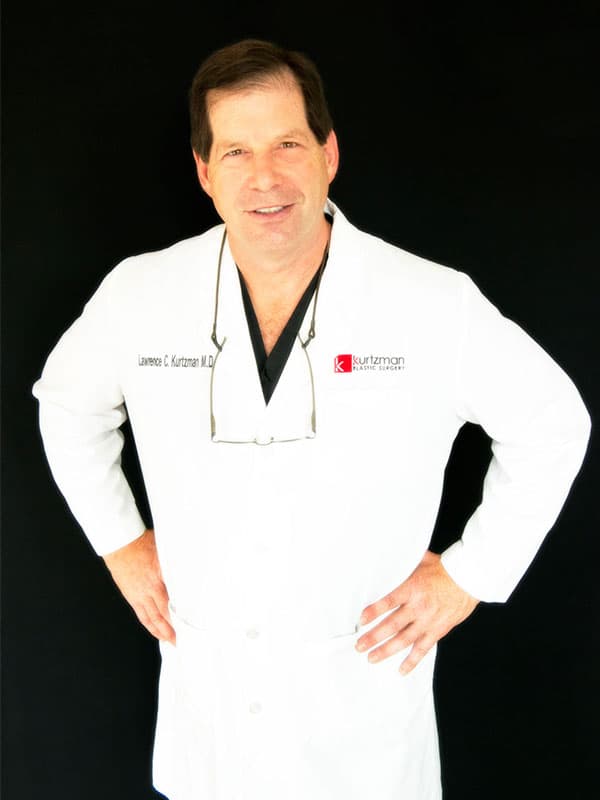
Lawrence C. Kurtzman, MD
MD
Board-Certified Plastic Surgeon
Why We Excel
- National trainer for injectable treatments, teaches other physicians proper technique across the country
- National trainer for BOTOX Cosmetic and Dysport, teaching injection technique to other physicians
- Natural results philosophy that softens lines while preserving facial expression and movement
- Precise, refined technique developed from decades of practice and training other physicians
What Our Patients Say
Real experiences from Kurtzman Plastic Surgery patients
Ready to Learn More About Botox & Dysport?
Schedule a private consultation to discuss your goals and explore your options with our expert team.