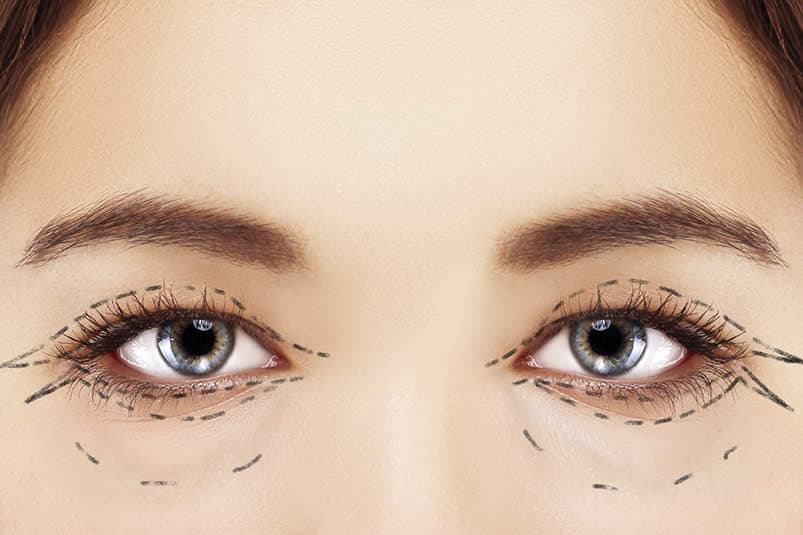
Eyelid Surgery (Blepharoplasty) in Cincinnati
Eyelid surgery, or blepharoplasty, can help you look more rested and alert by addressing drooping upper lids, under-eye bags, and excess skin around the eyes.
At a Glance
Procedure Time
1-2 hours
Recovery Time
1-2 weeks
Board-Certified
ABPS Surgeon
Starting Cost
$4,000+
What is Blepharoplasty?
Blepharoplasty, commonly known as eyelid surgery, is a precise surgical procedure that rejuvenates the eye area by addressing excess skin, weakened muscles, and protruding fat deposits that cause a tired, aged appearance. The eyes are often the first facial feature to show signs of aging, the delicate periorbital skin is among the thinnest in the body and lacks the structural support found elsewhere on the face. Over time, this leads to hooding of the upper eyelids, under-eye bags, and a perpetually fatigued look regardless of how rested you actually feel. Dr. Kurtzman approaches each blepharoplasty with an artist's eye, understanding that successful eyelid surgery isn't simply about removing tissue, it's about restoring the natural, youthful contour of the eye while preserving the unique characteristics that make your eyes distinctly yours. Results typically last 5-10 years for upper lids and even longer for lower lid surgery, making blepharoplasty one of the most long-lasting facial rejuvenation procedures available.
Upper vs. Lower Eyelid Surgery
Upper and lower eyelid surgery treat different problems. You can have one or both, often in the same operation:
Upper Blepharoplasty
Addresses hooded upper lids by removing excess skin and repositioning or removing protruding fat pads. Incision hidden within the natural crease.
Best for: Patients with drooping upper lids, hidden eyelid crease, or vision obstruction from excess skin
Lower Blepharoplasty (External)
Addresses under-eye bags and excess skin through a subciliary incision just below the lash line. Allows for skin removal and fat repositioning.
Best for: Patients with both puffy under-eye bags and loose, crepey lower lid skin
Transconjunctival Blepharoplasty
A scarless approach where the incision is made inside the lower eyelid, ideal for addressing fat pockets without skin removal.
Best for: Younger patients with good skin elasticity who have puffy bags but don't need skin removal
Combined Upper & Lower Blepharoplasty
Full eyelid rejuvenation addressing both upper and lower lids in a single procedure for complete eye area transformation.
Best for: Patients with aging changes affecting both upper and lower eyelids who want full results
Hooded Eyelid Correction
Hooded eyelids happen when extra skin, and sometimes fat, folds down over the upper lid crease. The lids look heavy, eye makeup can smudge or disappear into the fold, and in more advanced cases the skin hangs over the lashes and blocks part of your side vision.
Upper blepharoplasty corrects hooding by removing the extra skin and adjusting the fat through an incision placed in the natural crease of the eyelid. Once healed, the scar sits in the fold and is hard to see when your eyes are open.
Hooding does not always start in the eyelid. When the brows have dropped over time, they push skin down onto the lids. Removing eyelid skin alone may not be enough in that case, and a brow lift, with or without eyelid surgery, may give a better result. Dr. Kurtzman checks your brow position at the consultation to decide which approach fits.
If the lid itself sits low because the muscle that raises it has weakened, the problem is called ptosis. It is a different condition from extra skin and is evaluated separately.
For very mild hooding, a small amount of Botox placed near the outer brow can lift it slightly. It does not remove skin, and the effect lasts a few months.
Under-Eye Bags Surgery
Under-eye bags form when the fat that cushions the eye pushes forward as the tissue holding it in place weakens with age. Some people inherit a tendency toward bags and notice them at a younger age. Loose lower lid skin and a hollow groove between the lid and cheek, called the tear trough, can make bags look worse.
Lower blepharoplasty treats bags caused by this fat. Depending on what you need, Dr. Kurtzman can remove some of the fat, move it into the hollow below to smooth the transition to the cheek, and tighten or trim loose skin. When only fat needs treatment, the incision goes inside the lower lid so there is no visible scar. When skin also needs to be removed, the incision is placed just below the lash line.
Surgery is not the answer for every under-eye concern:
- Puffiness that comes and goes with sleep, salt, or allergies is usually fluid, not fat, and does not respond well to surgery.
- A hollow tear trough without bags may be better treated with dermal fillers.
- Fine, crepey lines on the lower lid often respond better to laser resurfacing.
Many patients have a mix of these, and a plan may combine lower eyelid surgery with one of these treatments.
Ideal Candidates
Blepharoplasty delivers the most satisfying results for patients who meet certain criteria. During your consultation, Dr. Kurtzman will carefully evaluate your eyelid anatomy, tear trough area, and overall facial structure:
- Drooping or hooded upper eyelids that create a tired appearance or obstruct peripheral vision
- Puffy bags or dark hollows under the eyes that persist despite adequate rest
- Excess skin creating folds that hide the natural upper eyelid crease or interfere with makeup application
- Herniated fat pads causing visible bulges in the upper or lower eyelids
- Good skin elasticity, eyelid skin should still have reasonable tone and texture
- No underlying eye conditions such as dry eye syndrome, glaucoma, or thyroid eye disease (or these must be well-controlled)
- Non-smoker or willing to quit 4 weeks before and after surgery to support proper healing
- Realistic expectations, understanding that eyelid surgery refreshes but works within your natural anatomy
The Procedure
Dr. Kurtzman customizes each blepharoplasty based on your specific anatomy and concerns. Whether addressing upper lids, lower lids, or both, precision is paramount given the delicate structures involved:
1. Anesthesia & Preparation
Eyelid surgery is typically performed under local anesthesia with sedation, keeping you comfortable while allowing for precise tissue assessment. General anesthesia may be used for patients who prefer to be fully asleep. The eye area is carefully cleaned and marked according to the surgical plan discussed during your consultation.
2. Upper Eyelid Incision
For upper blepharoplasty, Dr. Kurtzman places the incision precisely within the natural eyelid crease. This strategic placement ensures the scar becomes virtually invisible once healed, hidden in the fold when your eyes are open.
3. Tissue Removal & Sculpting
Excess skin is carefully measured and removed, not too much, which could prevent proper eyelid closure, and not too little, which would leave you with an incomplete result. Protruding fat is either removed or repositioned to eliminate puffiness while avoiding a hollow appearance.
4. Lower Eyelid Approach
Lower lids may be addressed through a transconjunctival incision (inside the eyelid, leaving no visible scar) or a subciliary incision (just below the lash line). Dr. Kurtzman selects the approach based on whether fat removal, fat repositioning, or skin removal is needed.
5. Fat Repositioning
Modern blepharoplasty often involves repositioning rather than removing fat. Descended fat pads can be redirected to fill hollow tear troughs, creating a smoother transition between the lower eyelid and cheek.
6. Precise Closure
Fine sutures close the incisions with careful attention to alignment. Proper closure technique is critical for minimal scarring and natural-looking results. Sutures are typically removed within 5-7 days.
Recovery & Results
Recovery from blepharoplasty is relatively quick compared to other facial surgeries. Days 1-2: Expect significant swelling and bruising; cold compresses and head elevation are essential. Keep the eyes lubricated with prescribed ointment. Days 3-5: Bruising peaks then begins to fade; swelling starts to subside. You may experience some dryness or eye sensitivity. Days 5-7: Sutures are removed; most patients can wear glasses comfortably. Week 2: Most visible bruising has faded and you'll feel comfortable returning to work and social activities. Many patients use concealer for residual discoloration. Weeks 3-4: Continue avoiding strenuous activity and anything that increases blood pressure to the head. The healing tissue is still delicate.
You'll notice improvement immediately, but your true results emerge over 2-3 months as all swelling resolves and tissues settle. Upper blepharoplasty results typically last 5-10 years, while lower lid results often last even longer since the underlying fat removal is lasting. Your eyes will continue to age naturally, but from a more youthful starting point. Many patients find that their refreshed eyes make them look more alert, approachable, and rested, often the most-noticed improvement by friends and family.
Risks and Safety
All surgery carries risk. With eyelid surgery most problems are minor and temporary, but you should know about them before you decide:
- Swelling, bruising, and tightness around the eyes for the first one to two weeks
- Dry, gritty, or watery eyes and sensitivity to light while the lids heal
- Blurry vision for a short time, often from swelling or eye ointment
- Trouble closing the eyes fully for a period after surgery
- Bleeding, infection, or a reaction to anesthesia
- Visible scarring, uneven results, or the lower lid pulling away from the eye, which may need further treatment
- Rarely, bleeding behind the eye that can affect vision and needs urgent care
Tell us about dry eye, glaucoma, thyroid eye disease, high blood pressure, and any blood thinners or supplements you take. Dr. Kurtzman will review the risks that apply to you at your consultation.
What Affects the Cost of Eyelid Surgery
Your cost depends on what the surgery involves. You will receive an itemized quote after your consultation. The main factors are:
- Whether you have your upper eyelids, lower eyelids, or both treated
- The technique, such as fat removal alone or fat repositioning with skin tightening
- The type of anesthesia and the surgical facility
- Whether you combine eyelid surgery with a brow lift, facelift, or other procedure, which means one recovery instead of two
- Insurance. Upper eyelid surgery may be partly covered when drooping skin blocks your vision and testing documents it. Surgery done for appearance, including most lower eyelid surgery, is not covered.
Eyelid Surgery and Related Treatments
The eyes do not age on their own, so a good plan also looks at the brows, cheeks, and skin:
- Brow lift: raises low brows that push skin onto the upper lids
- Facelift: lifts the lower face and neck and is often paired with eyelid surgery
- Botox and Dysport: softens crow's feet and frown lines, which eyelid surgery does not change
- Dermal fillers: restore volume in the cheeks and tear troughs
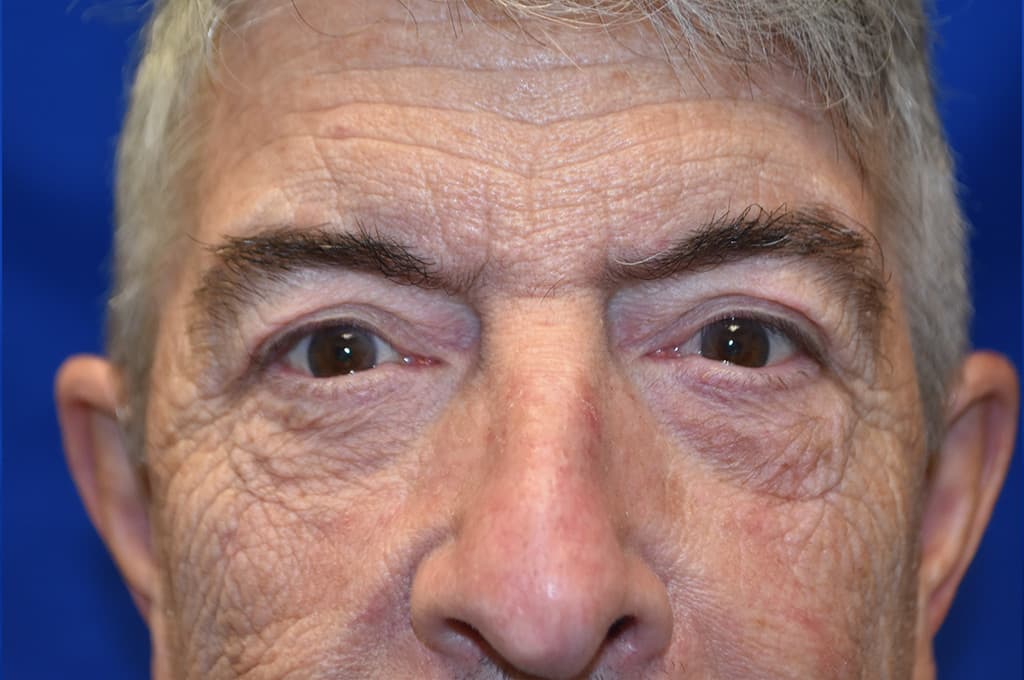
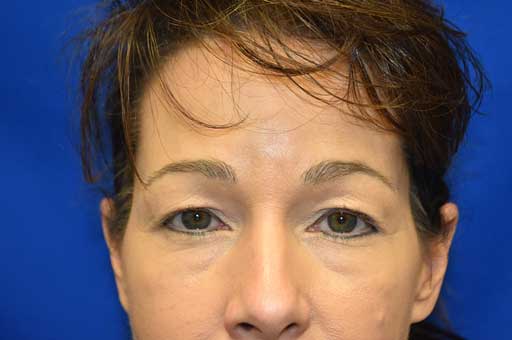
See real patient results in our eyelid surgery before and after gallery.
Real Patient Results
See the transformative results our patients have achieved
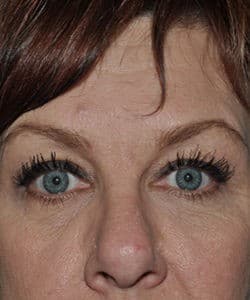
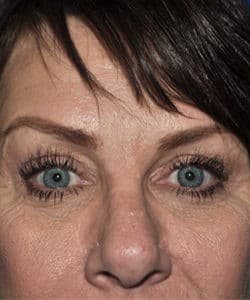
Upper Blepharoplasty
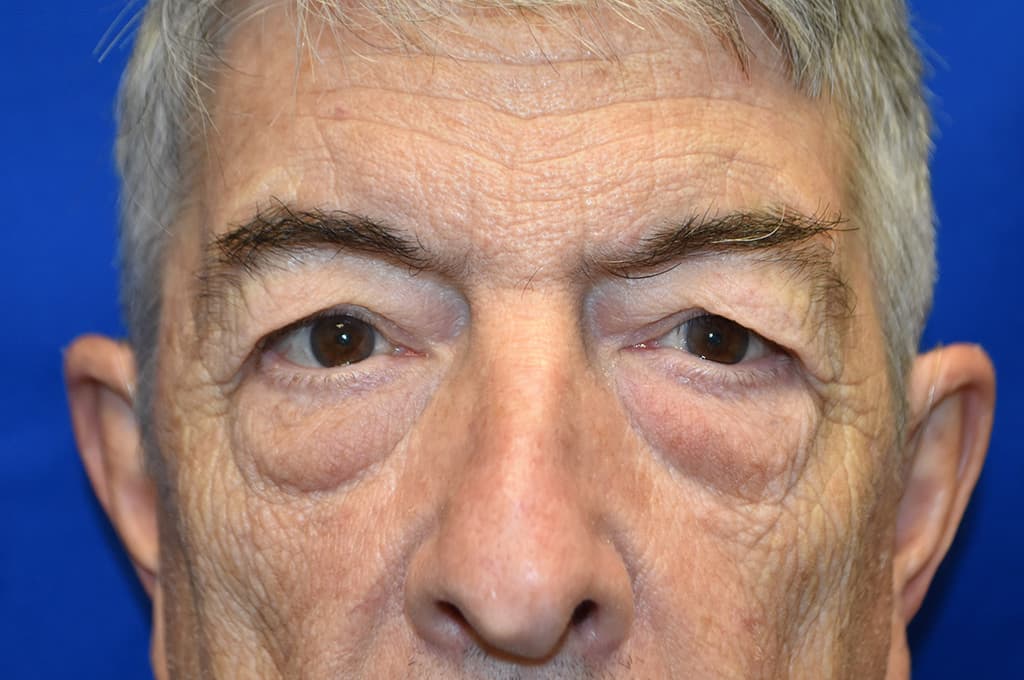
Upper & Lower Blepharoplasty
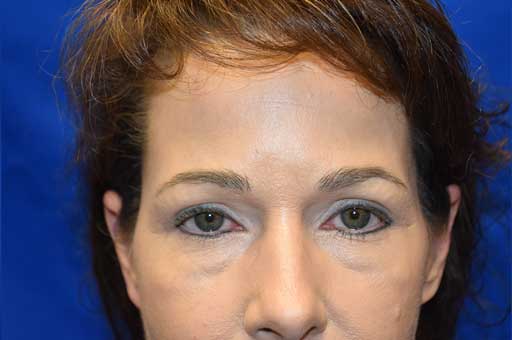
Upper Blepharoplasty
2 views available
Frequently Asked Questions
Will eyelid surgery change my eye shape or expression?
No. Dr. Kurtzman's conservative approach preserves your natural eye shape and expression. The goal is to refresh and rejuvenate, to reveal a more rested version of your eyes, not to create a different appearance. Patients often hear 'you look great!' without anyone suspecting surgery.
Can insurance cover upper eyelid surgery?
Yes, upper blepharoplasty may be covered by insurance when drooping eyelids significantly impair peripheral vision, a condition called dermatochalasis. We can perform visual field testing and provide the documentation needed for insurance approval. Lower blepharoplasty is considered cosmetic and is not covered.
What's the difference between upper and lower blepharoplasty?
Upper blepharoplasty primarily addresses excess skin and fat causing hooding over the eye. Lower blepharoplasty focuses on under-eye bags, puffiness, and hollow tear troughs. Many patients benefit from addressing both in a single procedure for full rejuvenation.
Will I have visible scars?
Upper eyelid scars are hidden within the natural crease and become virtually invisible within a few months. Lower eyelid scars, when an external incision is used, are placed just below the lash line and heal to a fine, barely perceptible line. Transconjunctival (inside the lid) incisions leave no external scar at all.
Can blepharoplasty be combined with other procedures?
Yes. Blepharoplasty is frequently combined with brow lift (to address forehead and brow descent), facelift, or non-surgical treatments like Botox and laser resurfacing for full facial rejuvenation. Dr. Kurtzman can recommend complementary procedures during your consultation.
How long should I wait before wearing contact lenses or eye makeup?
Contact lenses can typically be worn 10-14 days after surgery once initial healing is complete and any dryness has resolved. Eye makeup can be applied around the same time, though you should be gentle and use fresh products to minimize infection risk.
How long is recovery after eyelid surgery?
Most bruising and swelling fade within about two weeks, and many patients return to work and social plans around then. Stitches usually come out within a week. Avoid heavy exercise and straining for a few weeks. Final results settle over about 2 to 3 months.
How long do blepharoplasty results last?
Results are long-lasting. Upper eyelid results often last 5 to 10 years, and lower eyelid results often last longer. Your eyes will keep aging naturally, but most patients do not need a repeat procedure.
Can eyelid surgery fix hooded eyes?
Yes, when the hooding comes from extra upper lid skin and fat. Upper blepharoplasty removes the excess through an incision in the natural crease. If low brows are part of the cause, a brow lift may be recommended with or instead of eyelid surgery.
What is the surgery for under-eye bags called?
It is called lower blepharoplasty, or lower eyelid surgery. It removes or repositions the fat that causes the bags and can tighten loose skin. When only fat needs treatment, the incision is made inside the lower lid so no scar shows.
Is eyelid surgery painful?
Eyelid surgery is usually done under local anesthesia with sedation, so you should not feel pain during the procedure. Afterward, most patients describe tightness and mild soreness, which is usually managed with medication and cold compresses.
Can Botox or fillers replace eyelid surgery?
They help with some concerns but cannot remove extra skin or bulging fat. Botox can lift the outer brow slightly and soften crow's feet. Fillers can soften a hollow tear trough. When hooding or bags come from excess skin and fat, surgery is the treatment that removes them.
How much does eyelid surgery cost?
Cost depends on whether you have your upper lids, lower lids, or both treated, the technique, anesthesia, and facility fees. We give you an itemized quote after your consultation. Upper eyelid surgery may be partly covered by insurance when it is done to improve your vision.
Your Expert for Eyelid Surgery
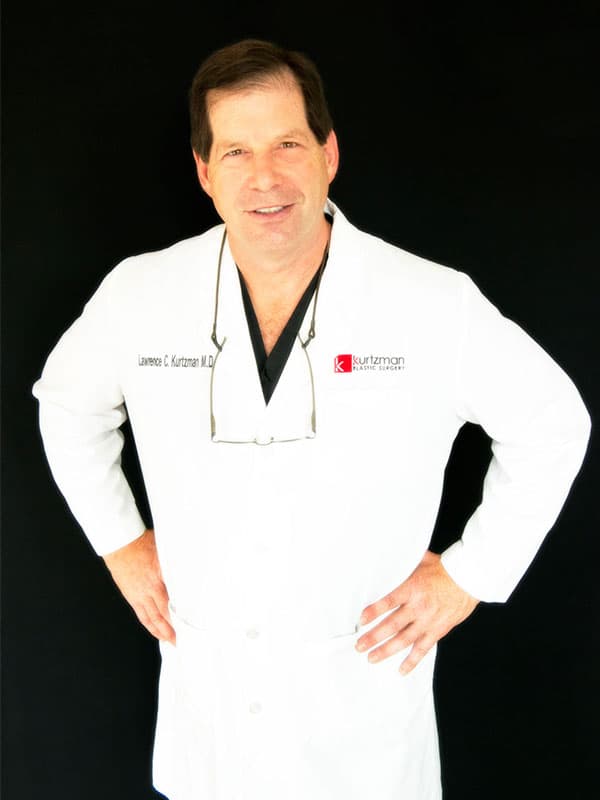
Lawrence C. Kurtzman, MD
MD
Board-Certified Plastic Surgeon
Why We Excel
- Careful technique preserving natural eye shape and expression
- Expert in both upper and lower blepharoplasty including transconjunctival approaches
- Fat repositioning techniques that address hollow tear troughs without over-removal
- Incisions hidden in natural creases for virtually invisible scarring
What Our Patients Say
Real experiences from Kurtzman Plastic Surgery patients
Ready to Learn More About Eyelid Surgery?
Schedule a private consultation to discuss your goals and explore your options with our expert team.